
The forbidden question
Cláudia knew something had changed forever when she opened the door and the house made no sound.
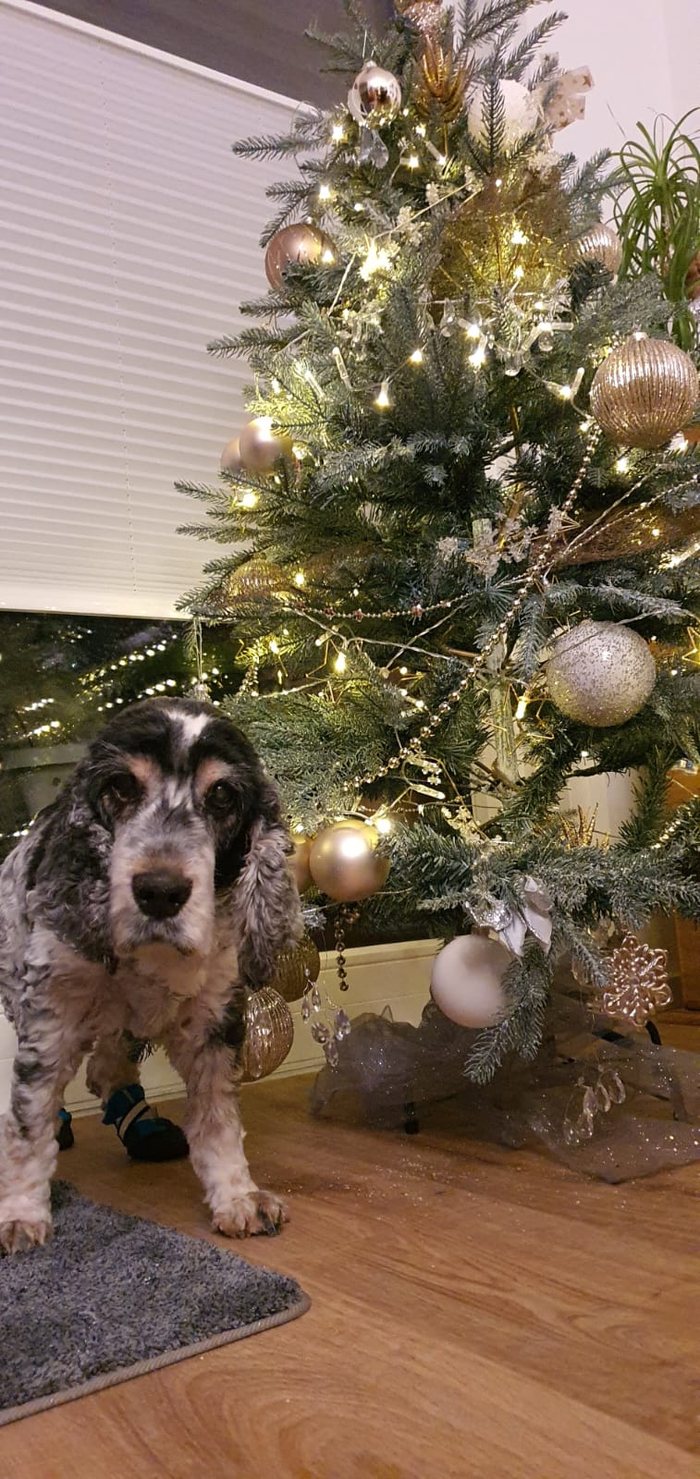
For fourteen years that door had been greeted with a commotion. Nails slipping on the floor, Teco’s whole body trembling with joy, as if she had come back from a long trip and not from the bakery on the corner. Fourteen years. And now the door opened onto silence — and the silence had weight, it filled the whole living room, it leaned against her like a living thing.
She dropped her bag in the usual spot. She looked at the corner of the kitchen, where the water bowl was still full; she hadn’t had the heart to take it away. And then something small and cruel happened: for an instant, without thinking, her body got ready to sidestep the dog that would come running. Her knee even bent slightly. The body takes longer than the head to understand death.
That night, Cláudia cried in a way she hadn’t cried in years. She cried until her chest hurt. And at some point, in the middle of the crying, a thought came that made her freeze — because she realized she was crying more than she had cried at her own uncle’s funeral, six months before.
That’s when the shame rose, cold, up her throat.
“How absurd. It’s a dog. It was just a dog.”